
Bee, wasp or hornet sting: what should you do?
We all look forward to the warm season: sunshine, greenery, and an abundance of flowers in the garden and in the fields… However, this beauty can sometimes be marred, for example, by an insect bite. Usually, they do not sting with malicious intent – in most cases, it is a form of defense, but even though we understand this, we still feel discomfort.
Some people experience more serious complications, for example, if they are allergic to certain insect bites.
In this article, we will discuss what is special about bee stings, how to recognize the signs of a wasp or hornet sting, what to do when you feel a sting, and how to reduce the risk of these “unfriendly” encounters.
Table of contents
Wasps, bees, or hornets stings: what are the symptoms?
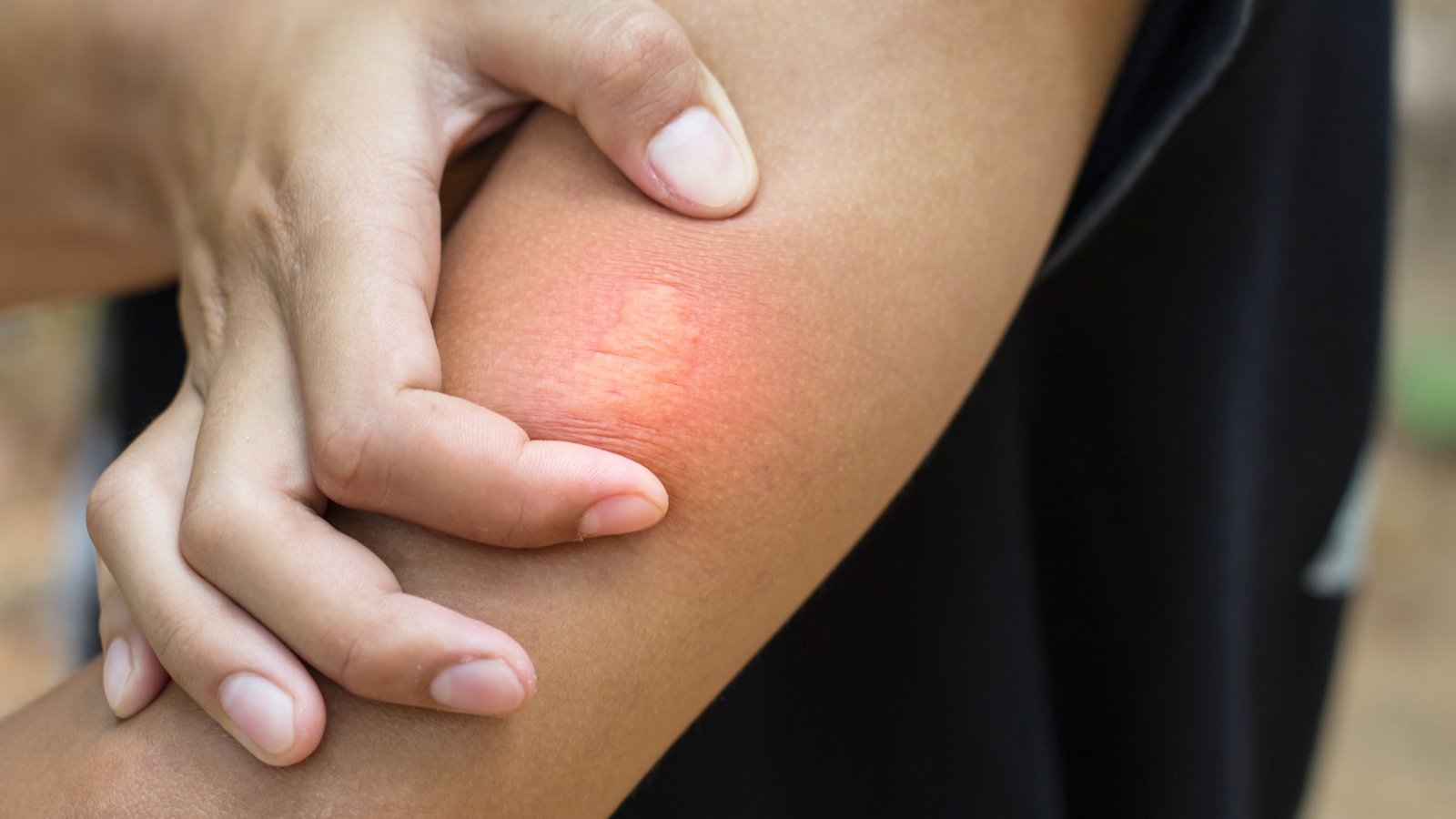
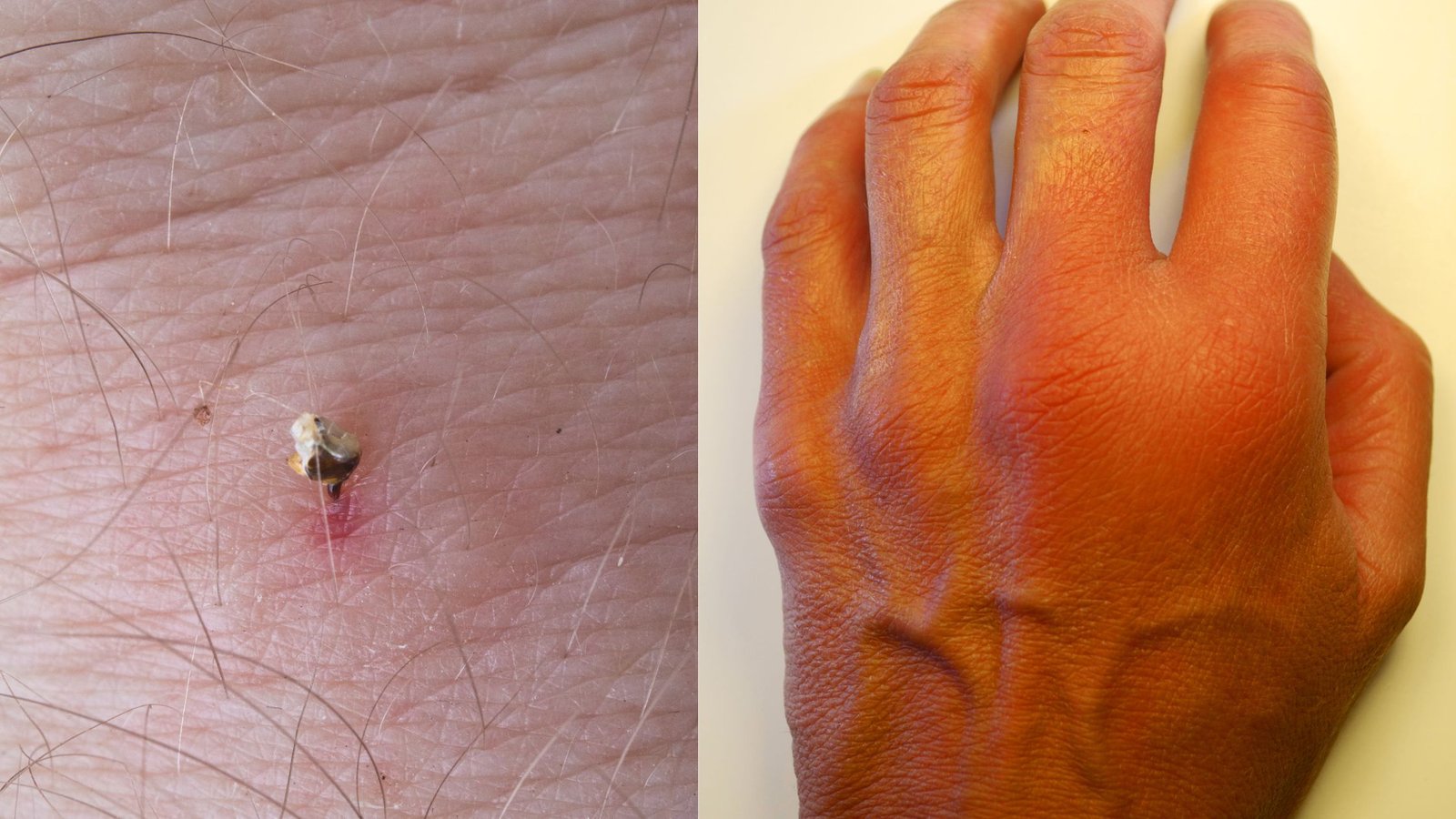
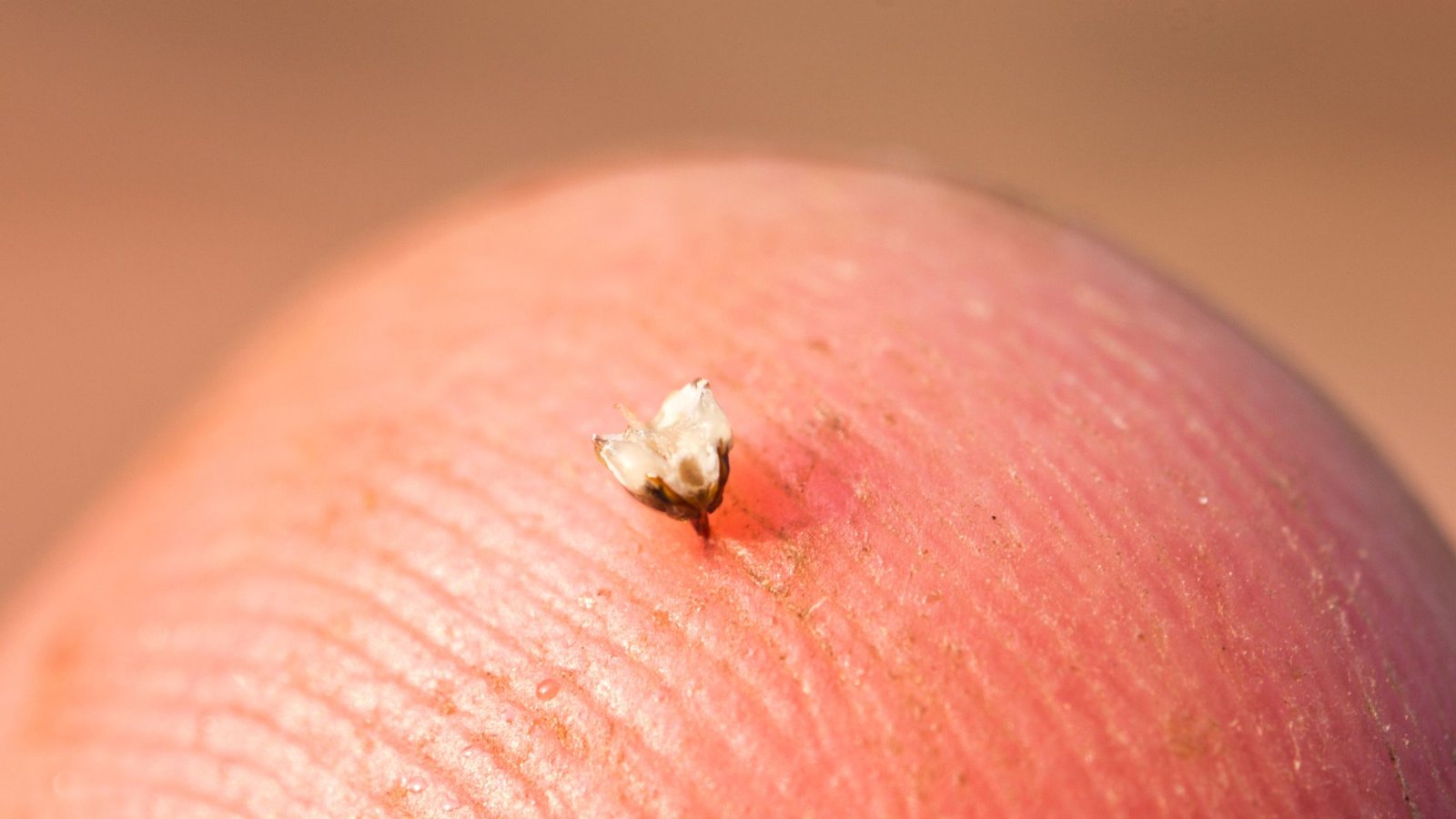
The first sign of a sting is a sharp, intense pain at the site of the bite. If you are stung by a bee, you will usually see the stinger stuck in the bite site. Meanwhile, wasp or hornet stings do not leave a stinger behind. The skin becomes red, and swelling, itching, or stinging often occurs.
If a person is allergic to bee, hornet, or wasp stings, more serious symptoms may occur: shortness of breath, difficulty breathing, swelling of the face or throat, a sudden drop in blood pressure, or other dangerous sensations.
What to do if you are stung by a hornet, wasp, or bee?
If you notice a bee, wasp, or hornet sting, the most important thing is not to panic. Stress can only make the situation worse. If you know the basic rules of first aid, you will be able to help yourself or others quickly and safely.
- Remove the stinger. You should know that only bees leave stingers behind, wasps and hornets do not. So if it is a bee sting, you need to remove the stinger as quickly as possible, otherwise the venom will continue to enter the body. Do not use tweezers, as you may squeeze the stinger. It is best to scrape it off with a bank card or similar object.
- Remove any jewelry. If you have been stung on your hand or foot, immediately remove any rings, bracelets, or other jewelry, as swelling may occur.
- Cool the bite area. Use water or an ice pack, or take frozen food out of the freezer – cool the bite area for at least 10 minutes.
- Raise the limb. If the sting is on your arm or leg, raise it above heart level. This helps reduce swelling and facilitates blood circulation.
- Do not scratch the sting site, as this will increase the risk of secondary infection.
- If an allergic reaction occurs, take action. If the person starts to choke, their face or throat swells, they develop a rash or other allergy symptoms, they must immediately take antihistamines and, if necessary, call an ambulance.
How long does it take for a bee, hornet, or wasp sting to heal?
If there is no allergic reaction, the swelling, redness, or pain caused by a bee sting should usually go away within 24 hours. The same applies to wasp or hornet stings.
A milder allergic reaction to a bee sting may last a little longer—sometimes up to several days. However, if the swelling from a bee sting does not go away within 24 hours, or if you experience fever, dizziness, or severe itching, you should see a doctor.
It is especially important to monitor whether the symptoms of the sting are spreading, as this may be a sign of a more severe allergic or even infectious reaction.
Bee, hornet, or wasp sting: when to see a doctor?
Bee, wasp, or hornet stings are not harmless—in some cases, they can be life-threatening. Call emergency services or go to the hospital immediately if you notice any of the following symptoms:
- the swelling does not subside after the bite, but spreads,
- the symptoms become more severe,
- the victim has difficulty breathing,
- nausea, abdominal pain, dizziness appear,
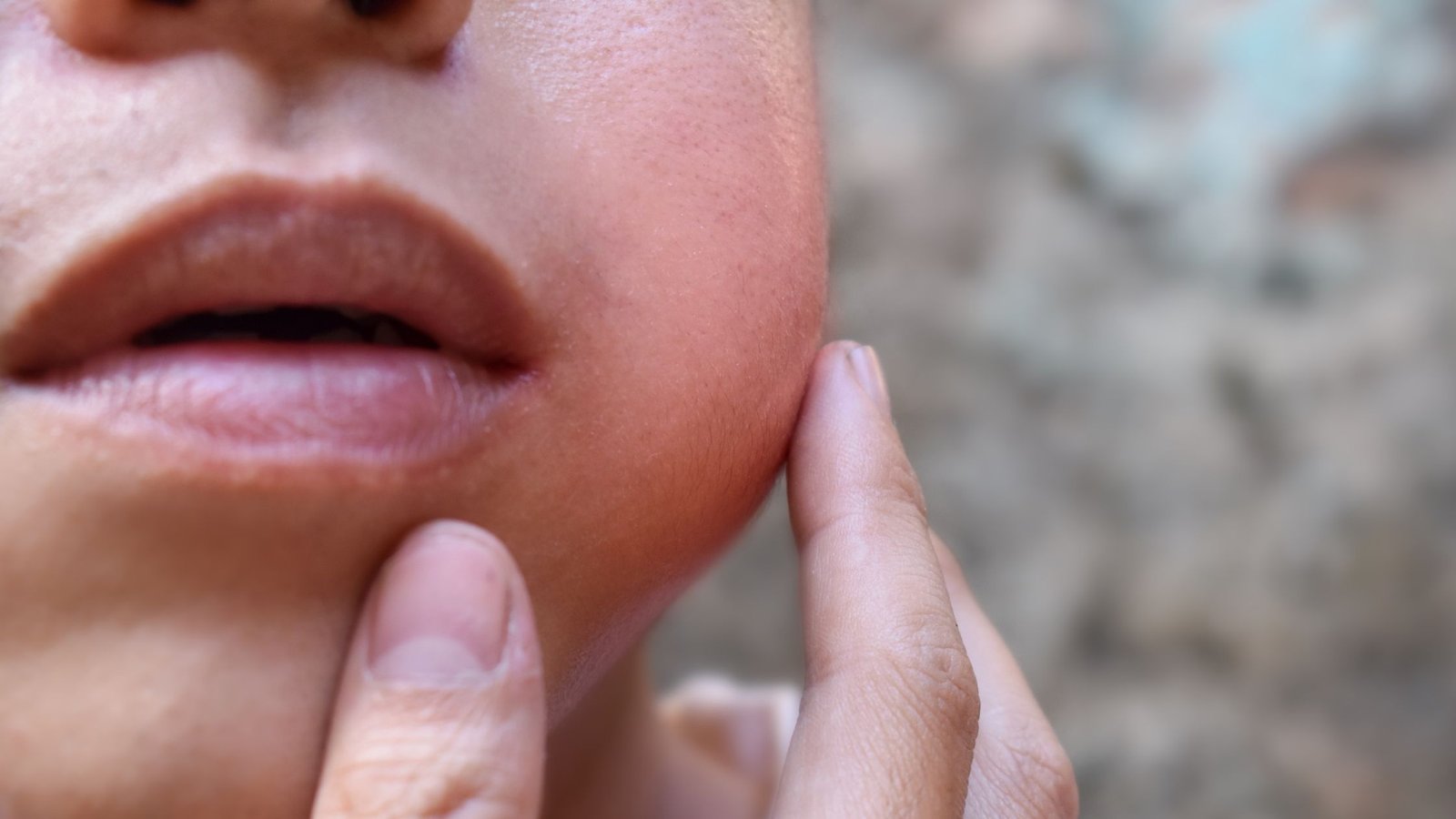
- the face begins to swell after a sting on the arm or leg,
- a sting in the mouth, tongue, or near the eyes,
- the swelling does not go away within 24 hours.
By the way, even if you’re not allergic, getting stung on the back of your tongue or palate is super dangerous. If a bee, wasp, or hornet stings you there, take some antihistamines right away and see a doctor.
Home remedies for wasp, hornet, or bee stings: how to treat them at home?
If you are not allergic to bee, wasp, or hornet stings, you can try home remedies to relieve pain and itching—simple remedies that you can find at home.
One effective remedy is toothpaste, which can help neutralize the acid in insect venom. It is also often recommended to rub the bite with an onion, use chamomile compresses, or apply a mixture of cold water and vinegar.
It is important to remember that home remedies are only suitable for mild stings where there is no allergic reaction. If symptoms worsen, always consult a doctor.
What can be done to prevent wasps, hornets, or bees from stinging again?
Although people with allergies should avoid these insects’ stings the most, we are sure that everyone wants to avoid encountering them. So here are some simple but effective tips to help reduce the risk of bee, wasp, and hornet stings.
Do not walk around barefoot
No matter how tempting a green lawn or a field of flowers may seem, do not walk barefoot. Insects often collect nectar from flowers, and you may step on them, causing them to sting in self-defense.
If you notice wasps or hornets buzzing around your yard or house, it is likely that they have built a nest nearby. In this case, you should seriously consider hiring professionals to destroy the hornet’s nest or wasps.
Avoid hives
Do not approach the hives. Even if you do not intend to harm the insects, they may be attracted by your perfume, the scent of recently consumed sweet food, or other factors, causing them to feel threatened and become more aggressive.
Snack carefully
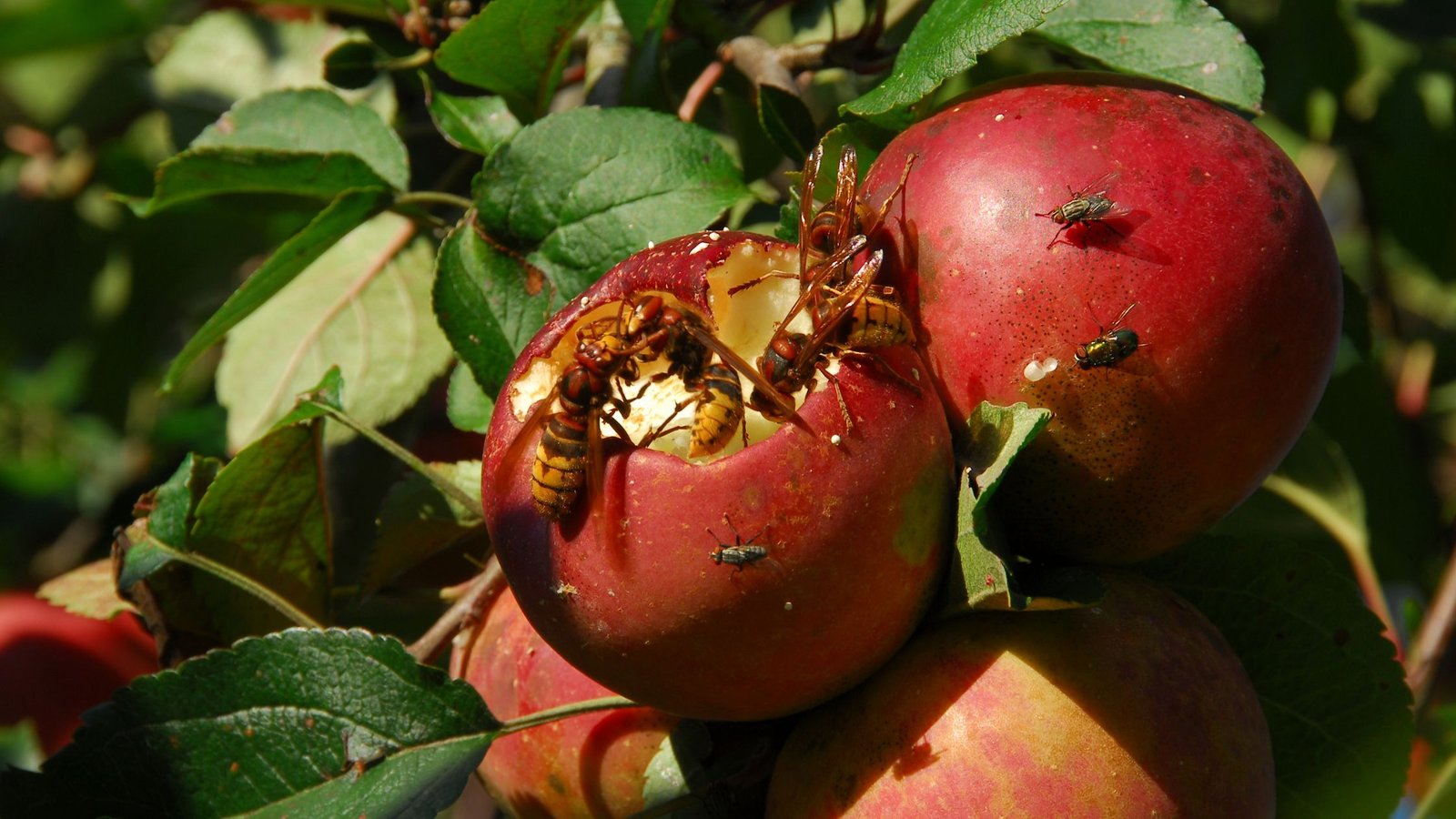
If you enjoy picnics in nature, use insect repellents. Be careful when eating sweet foods and drinking sweet beverages: candy, ice cream, fruit, juice, because they attract bees, wasps, and hornets—you may not even notice when an insect gets into your mouth.
Focus on clothing
When outdoors, avoid wearing bright, colorful, or dark clothing, as these attract bees, wasps, and hornets. Light-colored, plain clothing is more suitable, as it is less attractive to these insects.
Destroy the nests
Wasps and hornets like to settle in attics, eaves, utility rooms, and various crevices. Such neighbors are undesirable, so in order to avoid encounters with these insects, it is advisable to learn how to destroy wasp and hornet nests.
If you are attacked by a bee, wasp, or hornet, try to remain calm—fear releases certain substances in our bodies, which attract insects even more.
Try not to wave your arms around, as such movements can further irritate the insect. Do not try to crush or kill it, as this will provoke other insects nearby.

What to do if you find a hornet or wasp nest?
In some cases, wasp, hornet, or bee stings have no consequences. However, people with allergies know that encounters with these insects can be very dangerous. Therefore, it is useful to know what to do after a sting and when to seek medical attention. It is also important to make sure that wasps and hornets do not become your “neighbors.”
So, if you notice that these insects have already settled in your home, contact us for professional wasp and hornet nest removal – we will take care of everything from consultation to safe removal.