Effective tips on how to get rid of rats

Getting rid of rats at home requires quick and consistent action: sealing entry points, maintaining cleanliness, using suitable poisons or traps, and in more serious cases – professional pest control. Only this approach helps not only eliminate rats, but also prevent them from coming back.
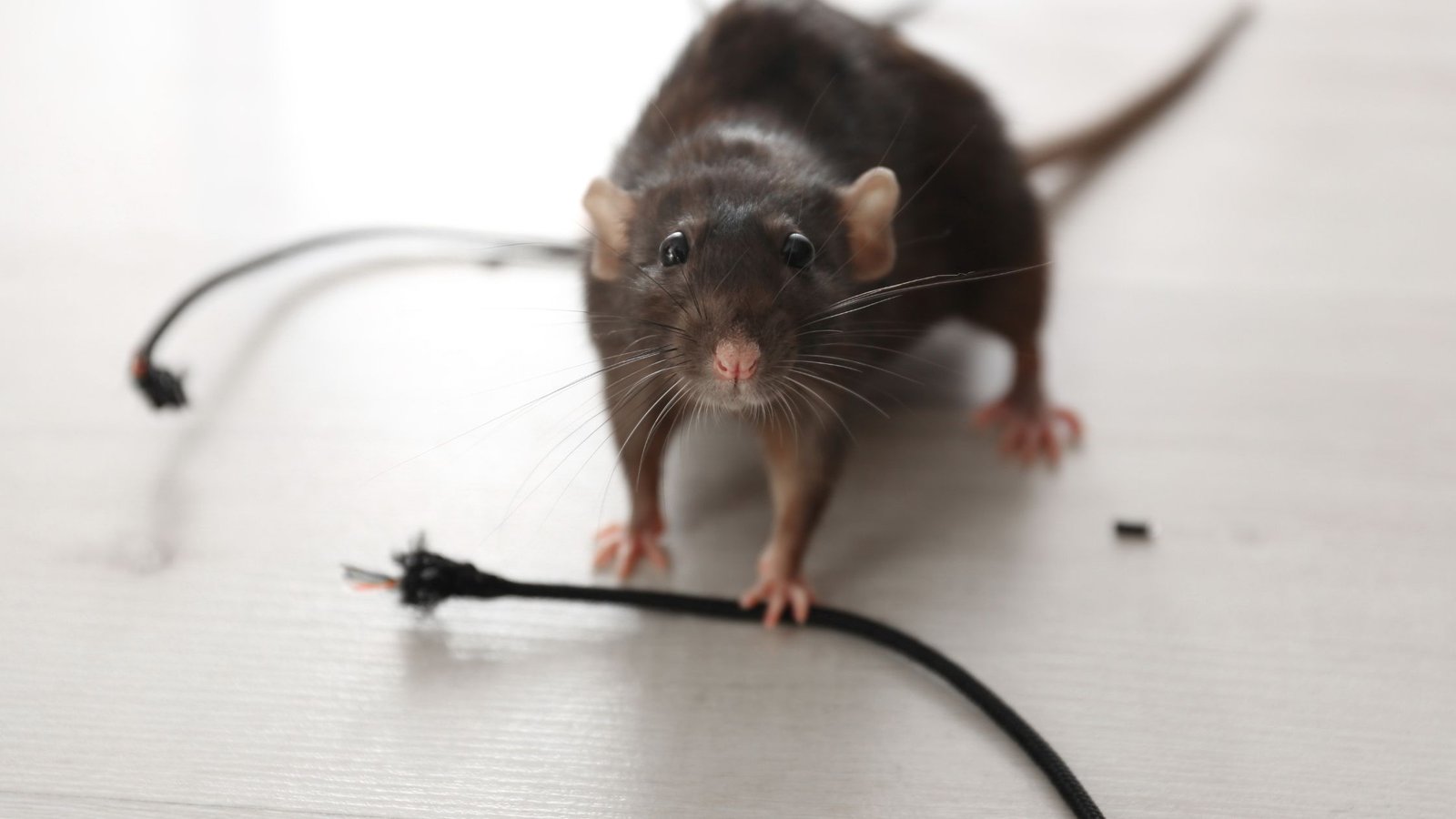
Rats are extremely unpleasant rodents and are completely unwelcome in homes or any other type of premises. They spread diseases, contaminate food, damage wall insulation, and can gnaw through electrical wiring. Not to mention the unpleasant feeling of spotting such an “unwanted guest.”
Once rats enter a building, it’s important not to delay and to take action as soon as possible to get rid of them. Prevention is just as important to stop them from returning. So let’s take a closer look at how to eliminate rats and reduce the chances of them coming back.
Table of contents
What are the signs that there are rats in your home?
Although these rodents are fairly large, they can still go unnoticed in a home for quite some time. However, sooner or later their presence is revealed by certain signs. What are they?
- Droppings. If there are rats in your home, sooner or later you’ll notice their droppings near food that’s been left out, chewed food packaging, around the trash bin, wires, or in similar places. Rat droppings are dark, cone-shaped, and about 10–14 mm long.
- Noises. You’re more likely to hear them at night – scratching, gnawing, rustling, or the sound of running inside walls or ceilings.
- Gnaw marks. Rats chew on almost anything: from food and its packaging to wires and walls. Because of this, you may notice chewed food, furniture, cables, wallpaper, and more.
- Nests. Behind the fridge, inside cupboards, or in other hidden, hard-to-see spots, rats often build nests made from fabric scraps, paper, and similar materials.
If you notice even one of these signs, it’s time to take action. When uninvited guests appear in your home, it’s best to respond as quickly as possible. This is important not only because of potential damage to property, but also due to the risk to human and pet health. According to the National Public Health Center (NVSC), rats and other rodents can spread dangerous infectious diseases such as yersiniosis, tularemia, leptospirosis, pseudotuberculosis, salmonellosis, and others.
Ways to get rid of rats
Getting rid of rats is truly not easy, and it’s important to understand that rats are far more cautious and intelligent than mice. While mice can sometimes be dealt with on your own, rats often turn the process into a long and exhausting challenge. They learn quickly, avoid danger, and may ignore bait for days or even longer. Without experience, rat control can take much more time than expected.
That’s why it’s essential to act consistently and to recognize when DIY methods may not be enough to achieve the desired results.
1. Sealing entry points
Before starting your rat control mission, seal all holes and gaps through which these unwanted guests could enter your home. Pay special attention to areas around pipes, as these are particularly attractive to rodents. Install fine mesh grilles on air vents and ventilation openings. Keep in mind that a rat can squeeze through gaps as small as 2–3 cm.
Why is this important? If you start trapping or poisoning rats without sealing entry points first, any success you have may be short-lived. Leaving access points open means the root of the problem remains, and the chances of rats returning are much higher.
2. Cleanliness
Many people who want to get rid of rats immediately turn to poison or start looking for information on what rats are afraid of. However, it’s just as important not to create conditions in your home that rats find attractive. This means keeping things clean: don’t leave food leftovers out, don’t leave pet food accessible either inside the house or outdoors, and always keep trash bins tightly closed.
3. Poison placement
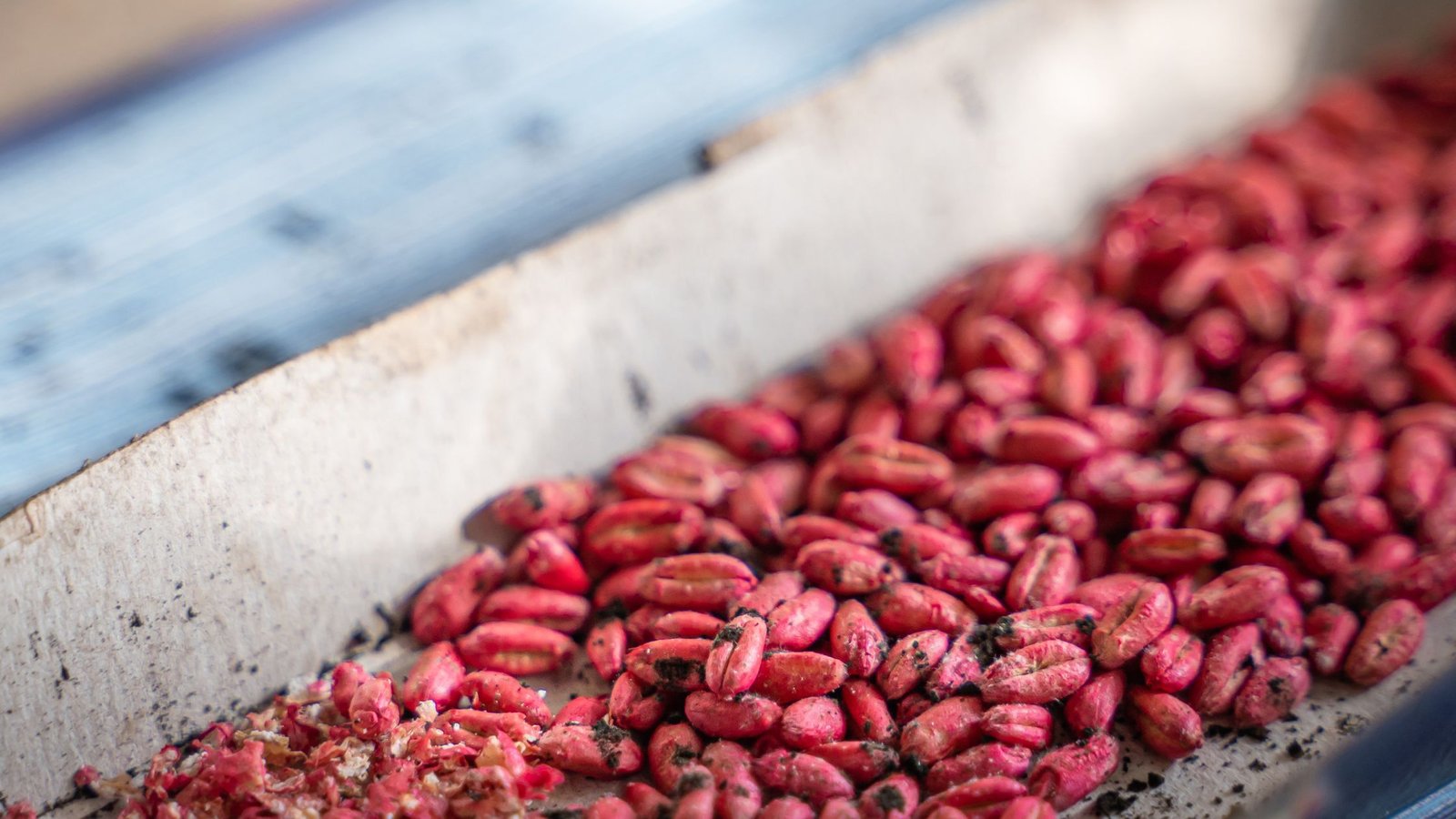
First, identify the areas where rats are most active in your home. How can you tell? The signs of rat activity mentioned earlier will give them away. Use poisons specifically designed for rat control, and make sure they are placed out of reach of children and pets, if you have any.
It’s very important to place the poison correctly – you’ll find instructions on the product packaging. Follow them carefully and responsibly.
Tip: Although rats will eat almost anything, they are clever and cautious. If they feel unwell after trying new food, they won’t eat it again. That’s why it’s best to choose poisons with a delayed effect.
4. Traps
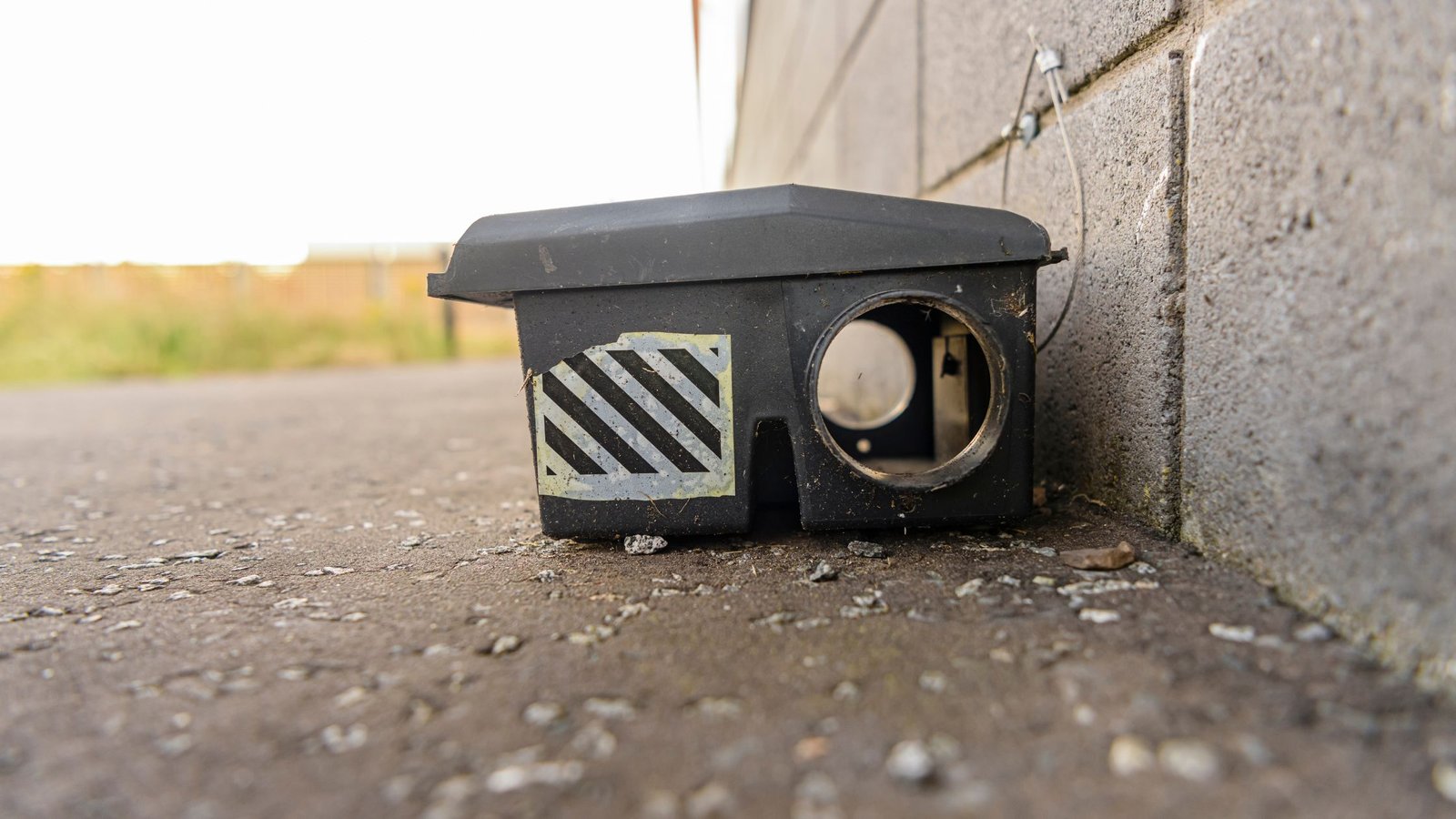
As mentioned earlier, rats are not easy to outsmart, so catching them with traps can be quite challenging. Still, this method is worth using if you have children or curious pets and aren’t confident you can keep rat poison safely out of their reach. In such cases, trying traps may be the safer option. Another effective approach is to combine both poisons and traps.
Tip: When using traps, keep in mind that rats are especially attracted to oily foods and peanut butter. Also remember that rats may ignore bait for several days – they are extremely alert and cautious.
5. Professional rat control in homes or other premises
When dealing with a more serious rat infestation, the most effective and safest solution is professional deratization. Rodent control specialists don’t just eliminate rats – they also analyze their behavior, movement paths, nesting areas, and assess the situation as a whole.
Professionals:
- Use specialized methods and products that are safe for people and pets;
- Know how to work around rats’ caution and intelligence;
- Apply strategies that deliver long-term results rather than short-term relief.
Unlike mice, rats rarely respond to quick fixes, so professional help often saves not only time, but also helps prevent recurring problems.
How to prevent rats from coming back
When trying to get rid of rats, it’s important to think not only about the immediate problem, but also about how to eliminate rats in a way that prevents them from returning. The key preventive measures include:
- Sealing holes and gaps in floors, walls, pipe systems, ventilation systems, and similar areas;
- Cleanliness: keep indoor trash bins and outdoor containers in order, make sure their lids are closed, and don’t leave food scraps behind;
- Moisture control – rats are attracted to warm and damp places, so it’s important to ventilate rooms regularly and use dehumidifiers if indoor humidity is too high.
Professional rat control: when should you call the experts?
If you suspect that there are many rats, or if your own efforts haven’t been successful, or if rodents have spread throughout your home as well as the basement, storage areas, or other spaces, it’s definitely worth contacting rodent control specialists.
Professionals will assess the situation and recommend the best strategy for eliminating rats in your home, selecting the most effective methods. Their goal is not to simply reduce the problem, but to eliminate it for good.